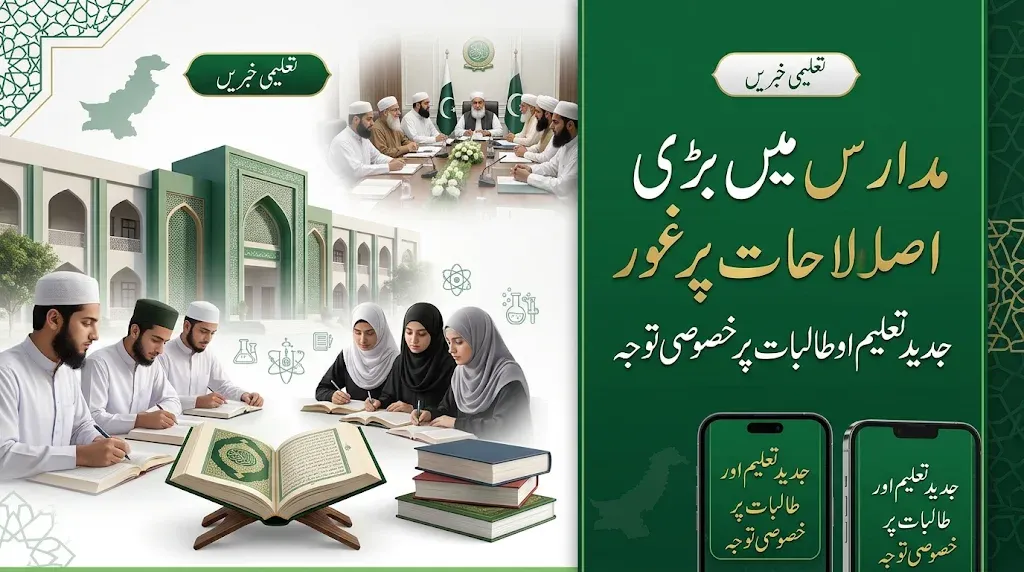
The Muttahida Madaris Council Pakistan has held an important meeting with representatives of major religious education organisations and madrassa federations from across the country. The meeting focused on improving the educational system of religious seminaries, promoting modern sciences alongside religious studies and expanding educational opportunities for female students.
Participants also discussed the administrative challenges faced by madrassas, including registration, examinations, certification, banking facilities and coordination among different educational boards.
The meeting brought together prominent religious scholars and academic representatives to discuss a joint strategy for strengthening the role of religious seminaries while meeting the educational needs of the modern era.
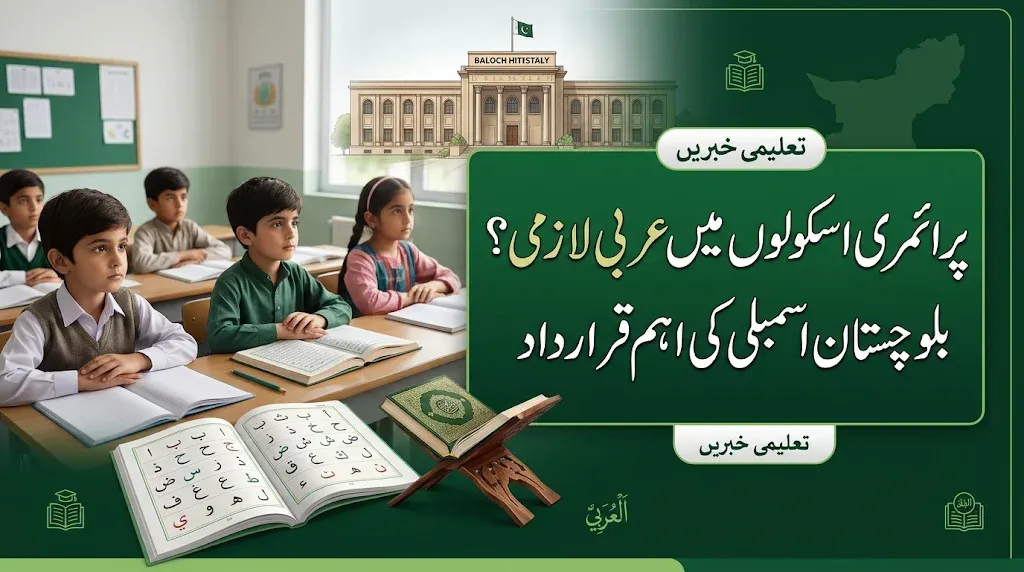
Read Also : Balochistan Schools May Introduce Compulsory Arabic for Primary Students
متحدہ مدارس کونسل پاکستان کے ایک اہم اجلاس میں ملک بھر کے مختلف دینی تعلیمی اداروں اور مدارس کی تنظیموں کے رہنماؤں نے شرکت کی، جس میں مدارس کے نظامِ تعلیم کو بہتر بنانے، جدید علوم و ٹیکنالوجی کو دینی تعلیم کے ساتھ فروغ دینے اور طالبات کے لیے تعلیمی سہولیات بڑھانے پر تفصیلی گفتگو کی گئی۔ اجلاس میں حافظ محمد طاہر محمود اشرفی، علامہ ڈاکٹر مہر آصف اکبر اور مولانا محمد زبیر فہیم سمیت دیگر اہم مذہبی و تعلیمی شخصیات شریک ہوئیں۔ شرکاء نے مدارس کی دینی شناخت اور علمی روایات برقرار رکھتے ہوئے انہیں جدید تعلیمی تقاضوں سے ہم آہنگ کرنے، نصاب، امتحانات، اسناد اور رجسٹریشن کے معاملات میں مختلف وفاقوں کے درمیان تعاون بڑھانے پر زور دیا۔ اجلاس میں مدارس کو درپیش انتظامی مسائل، بینکنگ سہولیات اور حکومتی رابطوں کو بہتر بنانے کی کوششوں کو بھی سراہا گیا۔ اس کے علاوہ خواتین کی دینی و عصری تعلیم، مذہبی ہم آہنگی، اتحاد اور ملکی امن و استحکام کے فروغ پر بھی اتفاق کیا گیا۔ تاہم، اجلاس میں زیرِ بحث تجاویز پر عمل درآمد کے لیے کوئی حتمی شیڈول یا تفصیلی پالیسی اعلان نہیں کیا گیا۔
Prominent Religious and Educational Leaders Attend Meeting
Several well-known religious and academic personalities attended the meeting, representing different madrassa organisations and educational federations.
The participants included:
- Hafiz Muhammad Tahir Mehmood Ashrafi, President of Wafaq-ul-Madaris wal Jamiaat-ud-Dinia Pakistan.
- Allama Dr. Mehr Asif Akbar, Nazim-e-Aala of Nizam-ul-Madaris Pakistan.
- Maulana Muhammad Zubair Faheem, Central President of Ittehad-ul-Madaris Al-Arabia Pakistan.
- Representatives of other major madrassa boards and religious education federations.
The discussions covered the educational, administrative and social responsibilities of religious seminaries and ways to improve cooperation between different organisations.
Madrassas to Preserve Religious Identity While Adopting Modern Education
One of the main points discussed during the meeting was the need to protect the historical identity and scholarly traditions of religious seminaries while adapting their educational systems to modern requirements.
Participants highlighted the long-standing contribution of madrassas to teaching the Holy Quran, Sunnah, Islamic sciences and moral values. They also discussed the importance of strengthening these services through better educational facilities and improved academic standards.
The meeting emphasised that religious seminaries should continue preserving their traditional role while preparing students to understand and respond to the challenges of the modern world.
Read Also : AJK Announces New Teacher Recruitment and Digital Attendance System in Schools by 2027
Modern Sciences and Technology to Receive More Attention
Participants gave special attention to introducing and promoting modern sciences, technology and contemporary subjects alongside traditional religious education.
They stressed that madrassa students should have opportunities to develop knowledge in both religious and modern academic fields. This approach could help students gain broader educational skills and prepare them for different responsibilities in society.
The discussion highlighted the importance of providing students with:
- Modern scientific knowledge.
- Basic understanding of science and technology.
- Contemporary academic and intellectual skills.
- Practical knowledge useful for professional development.
- Strong foundations in religious education and Islamic studies.
However, the meeting focused on the need and importance of these improvements. No specific nationwide curriculum or implementation date was announced in the provided meeting details.
Female Education Also Discussed in Detail
Female education was another important topic during the meeting. Participants discussed the need to expand educational opportunities for women studying in religious seminaries and improve the quality of their learning environment.
They stressed that female students should have access to both religious and contemporary education so they can develop academic knowledge and practical skills.
The discussion also highlighted the importance of:
- Improving educational facilities for female students.
- Providing suitable teaching and training environments.
- Expanding access to modern academic subjects.
- Maintaining quality standards in religious education.
- Creating better opportunities for women’s educational development.
Participants described female education as an important factor in strengthening families and contributing to the positive development of society.
Read Also : Punjab Board Matric Admission Schedule 2027 Announced – Check Fee Deadlines
Madrassa Federations Agree to Strengthen Coordination
The meeting also highlighted the need for stronger cooperation among different madrassa boards and religious education organisations across Pakistan.
Participants agreed on working towards a joint strategy to improve academic coordination and address common administrative challenges.
The proposed areas of cooperation include educational systems, examinations, certificates, registration procedures and administrative matters.
| Key Area | Main Focus |
|---|---|
| Educational System | Improving academic standards across seminaries |
| Modern Sciences | Promoting science, technology and contemporary subjects |
| Female Education | Expanding opportunities for women students |
| Examinations | Improving coordination among different madrassa boards |
| Certification | Strengthening academic certification procedures |
| Registration | Addressing registration-related challenges |
| Administration | Improving cooperation and institutional management |
Better coordination among educational federations could help create a more organised system and provide students with wider opportunities for academic and professional development.
Council Appreciates Government’s Efforts on Madrassa Issues
During the meeting, participants appreciated the efforts of Prime Minister Muhammad Shehbaz Sharif, Chief of Army Staff and Chief of Defence Forces Field Marshal Syed Asim Munir, and Punjab Chief Minister Maryam Nawaz Sharif regarding madrassa registration, access to banking facilities and other administrative matters.
They expressed hope that the relevant processes would become simpler and more effective so religious seminaries could manage their educational and administrative activities more efficiently.
The meeting also appreciated the role of the National Paigham-e-Aman Committee in improving communication, consultation and mutual trust between religious seminaries and the government.
Participants described cooperation between educational institutions and government bodies as important for addressing the challenges faced by madrassas.
Religious Scholars Emphasise Unity and National Harmony
The national situation, law and order, religious tolerance and unity among Muslims were also discussed during the meeting.
Participants stressed that religious scholars, seminaries and religious organisations should continue contributing to peace, brotherhood and national stability.
They highlighted the importance of mutual respect among different schools of thought and promoting positive relations between communities.
The meeting also emphasised that religious tolerance and interfaith harmony are important for Pakistan’s security, stability and long-term development.
Read Also : HEC Proposes New Admission Framework to Reduce Multiple Entry Tests Across Pakistan
What Did the Muttahida Madaris Council Meeting Focus On?
The following table summarises the major subjects discussed during the meeting:
| Topic | Main Discussion |
|---|---|
| Madrassa Reforms | Improving the overall educational system |
| Religious Education | Preserving Islamic learning and scholarly traditions |
| Modern Education | Promoting science, technology and contemporary subjects |
| Female Students | Improving access to religious and modern education |
| Coordination | Strengthening cooperation among madrassa federations |
| Registration | Resolving administrative challenges |
| Banking Facilities | Appreciating efforts to improve access |
| National Harmony | Promoting peace, tolerance and unity |
What Happens Next?
The Muttahida Madaris Council Pakistan reaffirmed its commitment to working collectively for the improvement of religious seminaries across the country.
The participants agreed that cooperation among madrassa federations, better academic standards and access to contemporary education are important for the future of religious institutions.
The discussions also highlighted the need to address common administrative issues and provide better educational opportunities for both male and female students.
Although the meeting discussed several important proposals and areas for cooperation, specific implementation timelines and detailed policy decisions were not announced in the provided information.
Read Also : Nawaz Sharif Schools of Eminence Phase 3 Registration 2026 – Apply Online
Conclusion
The Muttahida Madaris Council Pakistan meeting highlighted the importance of improving religious seminaries through better coordination, modern academic subjects and stronger educational facilities.
Participants emphasised that madrassas should preserve their religious and scholarly traditions while giving students opportunities to gain knowledge of science, technology and contemporary subjects.
The focus on female education, administrative improvements and national harmony also showed the wider role religious seminaries can play in society. The next important step will be turning these discussions into practical improvements through cooperation among madrassa federations and relevant government institutions.