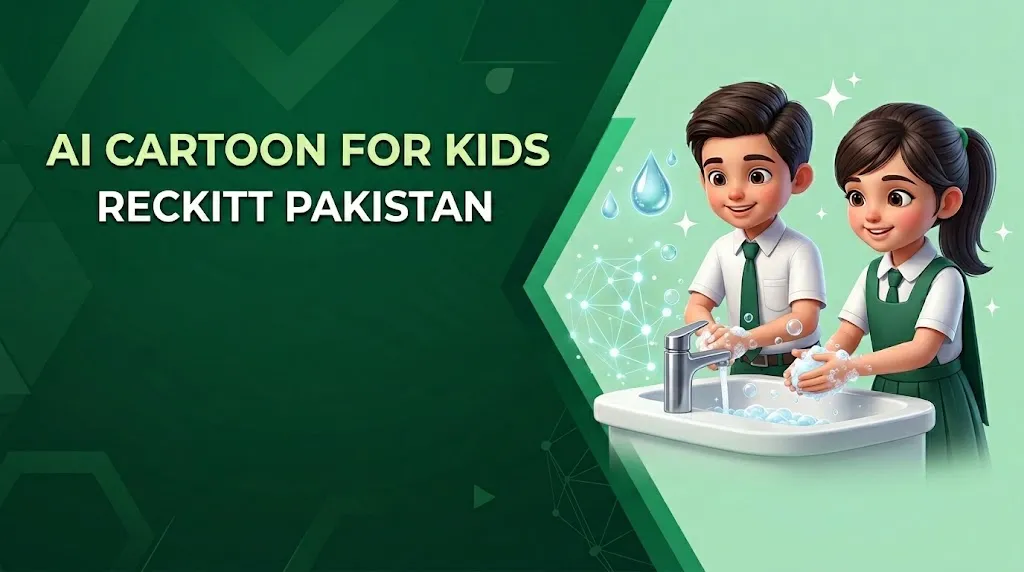
Reckitt Pakistan has introduced an AI-powered animated cartoon to help children learn proper handwashing in a fun and engaging way. The initiative was launched under its Saaf Sehatmand Pakistan platform to promote healthy hygiene habits among schoolchildren.
The new animation was developed in Pakistan for the Dettol Hygiene Education Program. It uses artificial intelligence (AI) and storytelling to make important hygiene lessons easier for children to understand and remember.
The launch took place around Global Handwashing Day, an annual occasion that highlights the importance of hand hygiene in preventing illness and maintaining good health.
Instead of relying only on traditional classroom lessons, the initiative uses animated characters and stories to encourage children to practise proper handwashing in their everyday lives.
Read Also : UBL Jobs 2026 Announced: Rs. 47,500 Salary, Eligibility & Apply Online
How the AI Cartoon Makes Hygiene Education Easier
Teaching children about cleanliness can be challenging when lessons are difficult to understand or feel repetitive. Animation offers another way to explain these habits through familiar situations, colourful characters and simple instructions.
Reckitt Pakistan’s new AI-powered animation focuses on the correct way to wash hands with soap and water. It also encourages children to understand the importance of keeping themselves and their surroundings clean.
The approach combines technology with health education. By presenting hygiene information in a child-friendly format, the programme aims to make learning more interesting and easier to apply at home and school.
The initiative also highlights how AI technology can be used for educational purposes beyond entertainment.
Eight Essential Steps of Proper Handwashing
One of the key lessons in the animation is the correct technique for washing hands. Children are encouraged to clean all parts of their hands rather than simply rinsing their palms with water.
The following table explains the eight essential steps of handwashing.
| Step | What Children Should Do |
|---|---|
| 1 | Wet both hands with clean water. |
| 2 | Apply enough soap to cover all hand surfaces. |
| 3 | Rub both palms together. |
| 4 | Clean the back of each hand with the opposite palm. |
| 5 | Rub between the fingers. |
| 6 | Clean the backs of the fingers against the opposite palm. |
| 7 | Wash the thumbs, fingertips and areas under the nails. |
| 8 | Rinse thoroughly with clean water and dry with a clean towel. |
Children should wash their hands before eating or preparing food, after using the toilet, and whenever their hands become visibly dirty. Washing hands with soap is also important after coughing, sneezing or touching potentially contaminated surfaces.
Parents and teachers can help by demonstrating these steps and encouraging children to follow them regularly.
Dettol Hygiene Education Program Reaches Around 2 Million Children Annually
The Dettol Hygiene Education Program has been promoting practical hygiene habits among children for more than a decade. According to the information provided about the initiative, the programme reaches approximately two million children every year.
The new AI animation adds a storytelling approach to these ongoing educational activities. It is intended to help children connect hygiene lessons with their daily routines.
Reaching children at an early age is important because habits learned during childhood can continue into adulthood. Schools also provide an opportunity to teach hygiene to groups of children and reinforce the same messages through classroom activities.
The programme’s reported annual reach demonstrates the scale of its educational work, while the new animation introduces another format for communicating hygiene information.
What Is Saaf Sehatmand Pakistan?
Saaf Sehatmand Pakistan is Reckitt Pakistan’s social impact platform, supported by its Dettol and Harpic brands. The initiative brings together activities related to health, hygiene, sanitation and access to safe water.
Its broader objective is to support efforts toward a cleaner and healthier Pakistan by raising awareness and encouraging better hygiene practices.
The AI-powered cartoon is part of this wider effort, with a particular focus on helping children understand why proper handwashing matters.
Key Details About Reckitt Pakistan’s AI Animation
The following table summarises the main information about the initiative.
| Detail | Information |
|---|---|
| Company | Reckitt Pakistan |
| Educational programme | Dettol Hygiene Education Program |
| Initiative | AI-powered hygiene animation |
| Main audience | Children and school students |
| Primary lesson | Proper handwashing with soap and water |
| Launch occasion | Global Handwashing Day |
| Reported annual reach of the programme | Around 2 million children |
| Supporting platform | Saaf Sehatmand Pakistan |
| Posted By | https://pak-all-job.com/ |
Why Handwashing Education Matters for Children
Proper handwashing is a simple but important part of everyday health. Hands can pick up germs from surfaces, shared objects and contact with other people. If children touch their eyes, nose or mouth without cleaning their hands, some germs can enter the body.
Washing hands thoroughly with soap and clean water helps remove dirt and germs. This can reduce the risk of certain infections and support healthier routines at home, in schools and in other shared spaces.
Children may understand hygiene lessons more easily when adults demonstrate the correct technique and allow them to practise it. Animated videos, classroom demonstrations, songs and interactive activities can make these lessons more engaging.
However, watching a cartoon alone is not enough to establish a lasting habit. Regular practice, access to soap and clean water, and encouragement from parents and teachers remain essential.
How Parents and Schools Can Support Better Hygiene Habits
Parents and teachers can reinforce the lessons introduced through educational animations by making handwashing part of the daily routine.
Here are some practical ways to encourage children:
- Set a good example: Children are more likely to follow hygiene habits when adults practise them consistently.
- Keep soap available: Make sure children can access soap and clean water at home and school.
- Teach the full technique: Show children how to clean their palms, fingers, thumbs, fingertips and the backs of their hands.
- Build regular routines: Encourage handwashing before meals and after using the toilet.
- Use simple reminders: Posters, classroom demonstrations and child-friendly videos can help reinforce the message.
- Make learning interactive: Ask children to demonstrate the steps instead of only listening to instructions.
These small actions can help turn hygiene education into a practical habit rather than a lesson that children quickly forget.
How AI Can Support Children’s Education in Pakistan
Artificial intelligence is creating new possibilities for educational content, including animated videos, interactive learning materials and digital storytelling. When used carefully, these tools can help present complex information in ways that are more accessible to young learners.
The Reckitt Pakistan initiative provides an example of how AI-powered animation can be used to communicate a public health message. Its focus is not simply on introducing new technology but on presenting useful information in a format designed for children.
For educational AI projects to be effective, the information must remain accurate, age-appropriate and easy to understand. Teachers and health educators also play an important role in ensuring that children receive reliable guidance and have opportunities to practise what they learn.
The long-term value of such initiatives will depend on how effectively they support understanding, encourage regular hygiene practices and complement existing educational programmes.
Final Thoughts
Reckitt Pakistan’s AI-powered hygiene animation introduces a child-friendly approach to teaching proper handwashing. Developed for the Dettol Hygiene Education Program under Saaf Sehatmand Pakistan, the initiative combines AI-driven storytelling with practical lessons about cleanliness.
The programme’s reported reach of around two million children annually highlights the scale of its ongoing hygiene education efforts. The new animation offers another way to communicate these lessons to young audiences.
Ultimately, improving children’s hygiene habits requires more than educational videos. Consistent practice, access to soap and clean water, and support from families and schools are essential for turning awareness into everyday behaviour.
By combining engaging educational content with practical guidance, initiatives like this can help make hygiene education easier for children to understand and apply.